
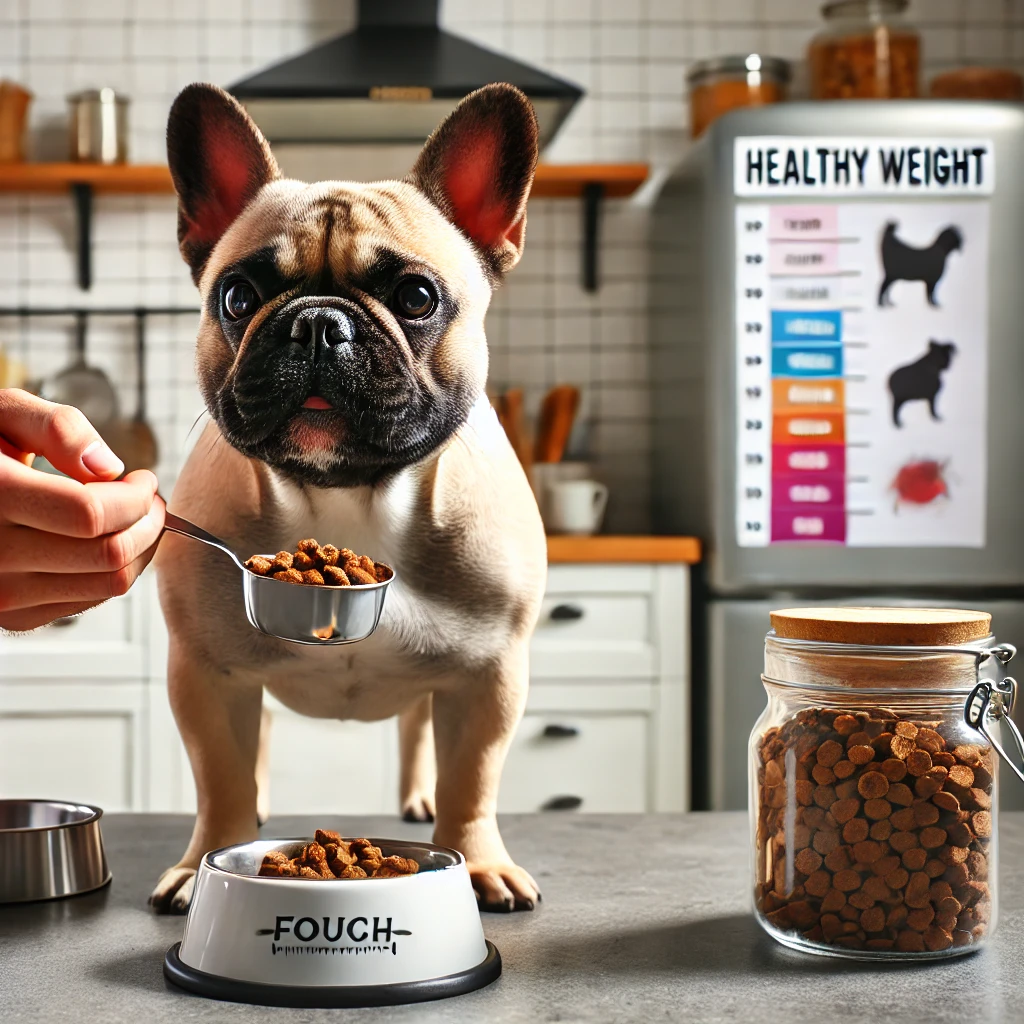
French Bulldogs are naturally stocky and muscular—but they’re also one of the breeds most prone to obesity. Their love for treats, low energy levels, and tendency to gain weight quickly can lead to serious health problems if not managed properly.
Here’s a complete guide to preventing obesity in your French Bulldog through smart feeding, daily routines, and sustainable habits.
1. Why Obesity Is Dangerous for French Bulldogs
Extra weight doesn’t just make your Frenchie look chubby—it affects their entire body.
Health risks include:
- Breathing difficulties (already a concern in brachycephalic breeds)
- Increased risk of diabetes
- Joint pain, arthritis, and spinal issues
- Shortened lifespan
- Difficulty regulating body temperature (leading to heat stress)
Keeping your Frenchie at a healthy weight helps prevent these issues and improves their quality of life.
2. Know What a Healthy Weight Looks Like
French Bulldogs typically weigh:
- 16–24 pounds (7–11 kg) for females
- 20–28 pounds (9–13 kg) for males
But body shape is more important than the number on the scale.
Body condition tips:
- You should feel—but not see—the ribs
- There should be a visible waistline when viewed from above
- Belly should tuck up slightly when viewed from the side
If your Frenchie looks round with no waist or waddles while walking, it may be time to make changes.
3. Avoid Free Feeding
Leaving food out all day makes it hard to track how much your dog is eating—and can lead to overeating out of boredom.
Instead:
- Feed on a schedule, twice per day
- Measure each portion using a standard measuring cup
- Stick to vet-recommended calorie counts
This gives your dog structure and helps you detect any changes in appetite.
4. Choose a Healthy, Balanced Dog Food
Not all dog foods are equal. Some are packed with fillers and excess fat that your Frenchie doesn’t need.
What to look for:
- Real meat or fish as the first ingredient
- Moderate protein and fat content
- Limited fillers like corn, wheat, or soy
- No artificial preservatives or colors
Your vet can recommend food that matches your dog’s age, size, and activity level.
5. Watch the Treats
Treats are useful for training and bonding—but they’re a common source of excess calories.
Smart treat habits:
- Use low-calorie or single-ingredient treats
- Break treats into tiny pieces
- Limit treats to 10% or less of daily calorie intake
- Use part of your dog’s regular kibble as treats during training
Avoid table scraps or fatty foods—they can trigger digestive upset and weight gain.
6. Incorporate Daily Exercise
Even though French Bulldogs aren’t high-energy, they still need regular movement to maintain a healthy weight.
Activity ideas:
- Short walks (15–30 minutes, depending on weather)
- Gentle games like fetch or tug
- Puzzle feeders or snuffle mats
- Indoor play or obstacle courses
Avoid outdoor exercise in high heat or humidity—Frenchies are prone to overheating.
7. Monitor Weight Regularly
Track your dog’s weight at home using a scale—or weigh yourself with and without your dog to estimate changes.
Also monitor:
- Appetite
- Energy levels
- Appearance (waistline, rib visibility)
Take monthly photos to visually compare their body shape over time.
8. Create a Routine That Promotes Balance
Dogs love routine, and consistency supports better eating habits and energy balance.
Try:
- Set feeding times (morning and evening)
- Daily walk at the same hour
- Regular play sessions indoors or on a leash
- Consistent sleep schedule
A structured day helps your dog feel secure and reduces stress-related eating behaviors.
9. Involve the Whole Household
It’s easy to derail your Frenchie’s progress if different family members sneak them snacks or “just one bite.”
What to do:
- Set clear rules for everyone in the home
- Store food and treats out of reach
- Post your dog’s feeding and treat limits where everyone can see
- Ask guests not to feed your dog
Consistency from all humans = success for your Frenchie.
10. Talk to Your Vet if Weight Becomes a Problem
If your dog is overweight or not losing weight despite your efforts, get your vet involved.
They may recommend:
- A prescription weight-loss food
- A customized feeding plan with exact calorie targets
- Bloodwork to rule out thyroid issues or other conditions
- A weight-loss timeline to track progress safely
Weight loss should always be gradual—no crash diets or meal skipping.
Conclusion: Small Changes, Big Results
Preventing obesity in your French Bulldog is all about daily habits and long-term awareness. With the right food, portion control, exercise, and consistency, you can keep your Frenchie fit, happy, and full of life—without sacrificing snuggles or the occasional treat.