
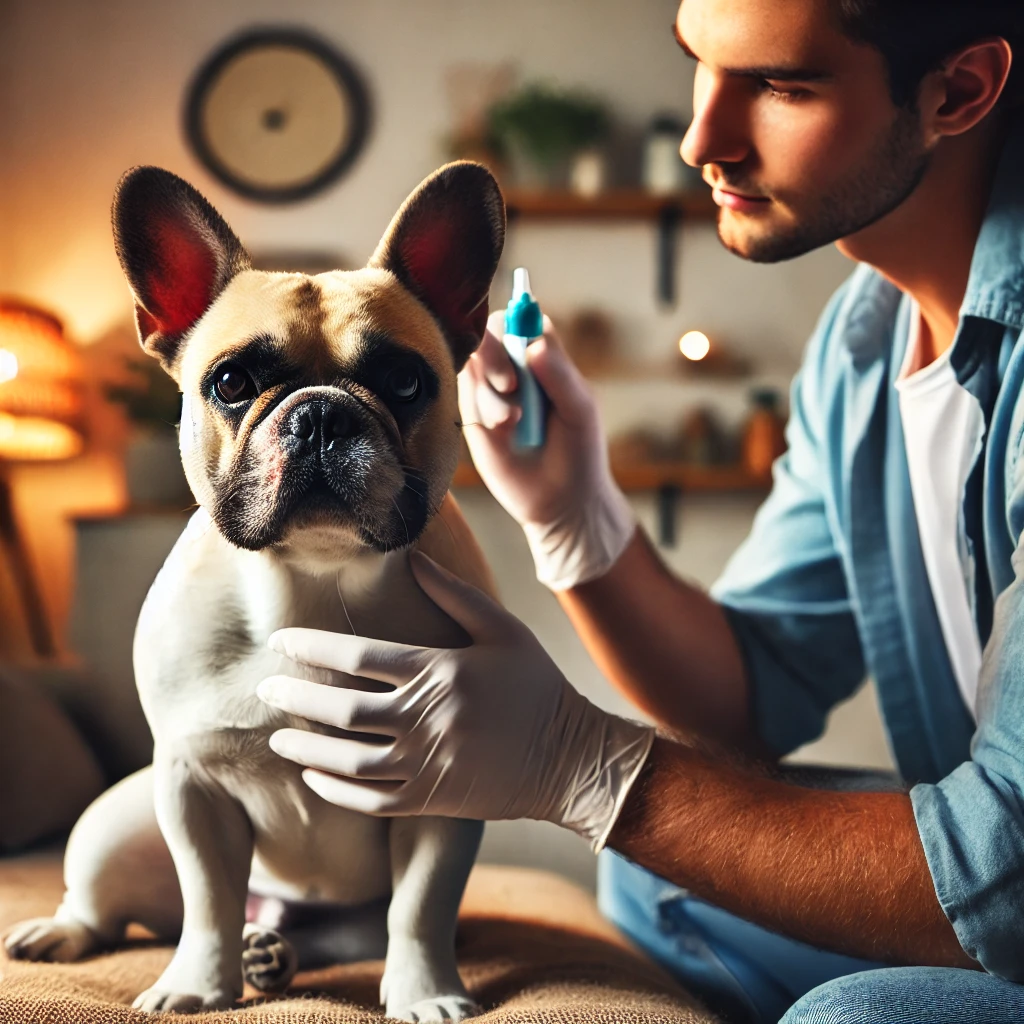
Just like people, French Bulldogs can suffer from allergies. These adorable little companions are particularly sensitive due to their unique skin folds, short coats, and brachycephalic (flat-faced) features. Whether it’s food, environmental factors, or skin sensitivities, allergies can cause discomfort and affect your dog’s overall quality of life.
If you’re wondering how to identify, treat, and prevent allergies in your French Bulldog, you’re in the right place. Let’s dive into how to manage these issues and keep your Frenchie happy and healthy.
1. What Causes Allergies in French Bulldogs?
Allergies can be triggered by a variety of factors, and French Bulldogs are especially susceptible due to their genetics and physical traits. These allergies generally fall into two categories: environmental and food-related.
Common causes include:
- Environmental allergies: Pollen, dust mites, mold, and household cleaning products
- Food allergies: Grains, dairy, chicken, beef, or certain additives
- Flea allergies: A sensitivity to flea saliva that causes severe itching
- Skin allergies: Resulting from harsh shampoos, fabrics, or chemicals
Your Frenchie may have more than one type of allergy, so identifying the cause can sometimes be tricky.
2. Signs Your French Bulldog Has Allergies
If your Frenchie is allergic to something, they may show one or more signs of discomfort or distress. The most common symptoms include:
Skin reactions:
- Itchy, red, or inflamed skin
- Hot spots (areas of moist, irritated skin)
- Excessive licking, scratching, or chewing
- Bald patches or hair loss
- Foul odor from skin or ears
Respiratory symptoms:
- Sneezing or coughing
- Watery or itchy eyes
- Runny nose
Gastrointestinal issues:
- Vomiting or diarrhea
- Loss of appetite or lethargy
3. How to Prevent Allergies in French Bulldogs
While you can’t always avoid allergies, you can take proactive steps to reduce the chances of your Frenchie being exposed to allergens.
For food allergies:
- Feed them a high-quality, hypoallergenic dog food.
- Avoid feeding human food or table scraps.
- Consult with your vet for a food elimination trial to identify the trigger.
- Opt for grain-free formulas if your dog has trouble digesting grains.
For environmental allergies:
- Keep your home clean by regularly vacuuming and dusting to minimize pollen and dust mites.
- Wash your Frenchie’s bedding and blankets weekly in mild, hypoallergenic detergent.
- Air purifiers can help remove allergens from the air, especially in rooms where your dog spends a lot of time.
- Bathe your French Bulldog regularly using a gentle, vet-approved shampoo to remove allergens from their skin and coat.
For flea allergies:
- Use flea preventatives recommended by your vet.
- Treat your home for fleas if an infestation occurs.
4. Treating Allergies in French Bulldogs
If your Frenchie is already showing signs of allergies, it’s essential to treat them promptly to prevent further discomfort and skin infections.
Common treatments include:
- Antihistamines: Over-the-counter or prescription antihistamines can help relieve mild symptoms like itching and sneezing.
- Steroid medications: For more severe cases, corticosteroids may be prescribed to reduce inflammation and itching.
- Topical treatments: Anti-itch sprays or shampoos containing oatmeal or hydrocortisone can soothe irritated skin.
- Antibiotics: If your Frenchie develops skin infections due to constant scratching or licking, your vet may prescribe antibiotics.
- Flea treatments: Use topical flea treatments or oral medications recommended by your vet.
Always follow your vet’s advice for dosage and frequency when treating allergies.
5. Regular Vet Visits and Allergy Testing
If your Frenchie shows persistent allergy symptoms, it’s important to seek professional help. Your vet may recommend specific tests to pinpoint the cause.
Types of tests:
- Skin testing: Your vet may conduct an intradermal skin test to determine what environmental allergens are affecting your dog.
- Blood tests: These can identify food allergies or sensitivities.
- Fecal testing: Helps detect gastrointestinal issues related to allergies.
Once the allergens are identified, your vet can create a customized treatment plan.
6. Supportive Measures for Skin Allergies
Skin allergies can be especially challenging for French Bulldogs, given their skin folds and sensitive skin. Keeping their skin clean, hydrated, and protected is key.
Recommendations:
- Clean skin folds daily with a damp cloth to prevent infections.
- Dry the folds completely, as moisture encourages bacteria growth.
- Use moisturizing balms to prevent dryness or cracking in the folds.
- Consider omega-3 fatty acid supplements (after consulting with your vet) to promote healthy skin.
7. Manage Stress-Related Allergies
In some cases, allergies can be exacerbated by stress. French Bulldogs are particularly sensitive to emotional changes, and stress can affect their immune system.
To manage stress:
- Maintain a consistent routine for meals, walks, and bedtime.
- Provide plenty of mental stimulation and enrichment.
- Consider calming aids, such as pheromone diffusers, anxiety wraps, or natural supplements if needed.
8. When to Seek Veterinary Help
If your Frenchie is scratching excessively, has persistent vomiting or diarrhea, or if you notice swelling, infection, or unusual behaviors, it’s time to consult your vet.
Immediate vet attention is needed if:
- The skin becomes infected or has open sores.
- Your dog shows signs of respiratory distress or difficulty breathing.
- They develop severe gastrointestinal issues that persist.
Prompt treatment will prevent allergies from causing more serious health problems.
9. Consider Specialized Care for Severe Cases
In some cases, especially for persistent or severe allergies, your Frenchie might need a dermatologist or allergy specialist. These professionals can provide advanced treatment options such as:
- Immunotherapy (allergy shots or oral treatments)
- Specialized diet plans tailored to your dog’s specific food sensitivities
- Custom allergy vaccines
10. Managing Long-Term Allergies in French Bulldogs
For chronic or seasonal allergies, you’ll need to adjust your management plan over time. Regular vet checkups, changes in diet, and ongoing care will help maintain your dog’s comfort and quality of life.
Conclusion: Comfort and Relief for Your Frenchie
While allergies can be frustrating for both you and your French Bulldog, the right approach can bring comfort and relief. By identifying the cause, treating symptoms early, and creating a preventative care routine, you can help your Frenchie live a happy, healthy life despite their sensitivities.