
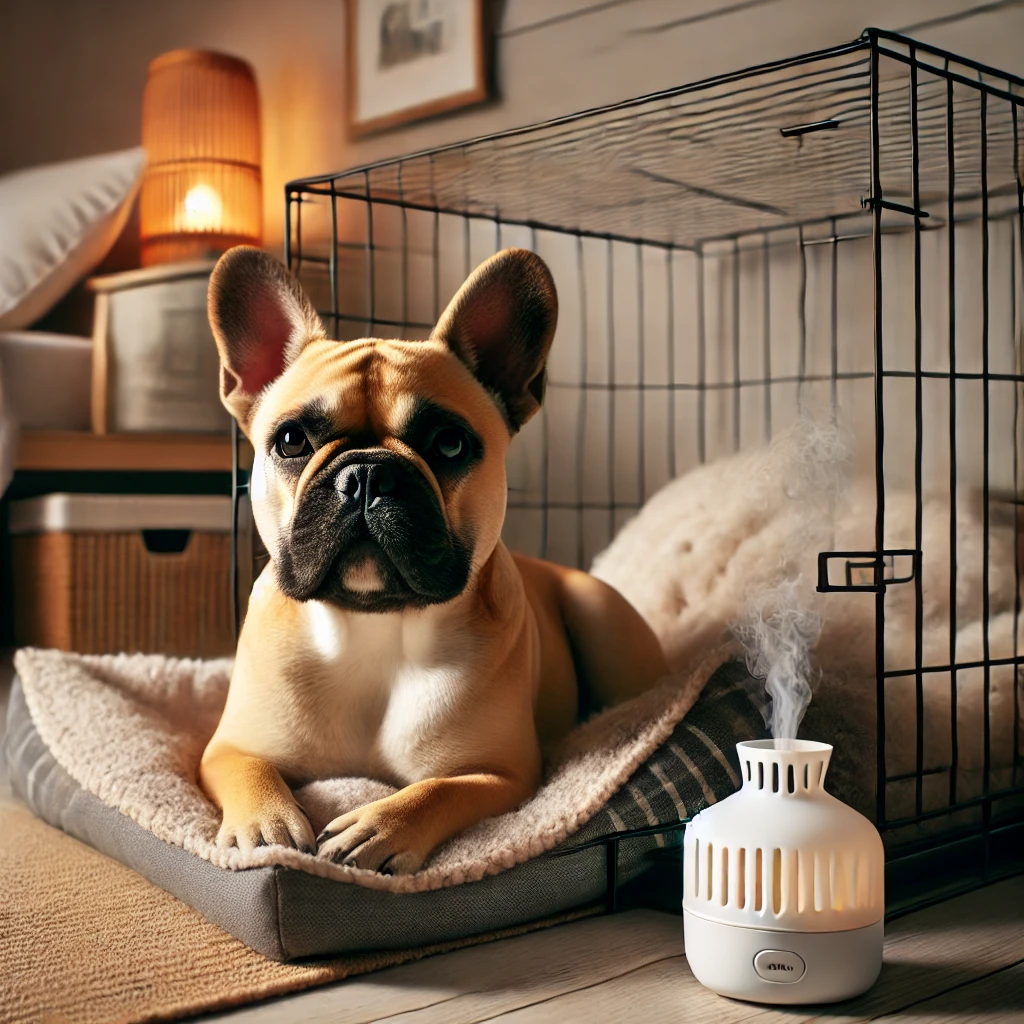
French Bulldogs are known for their deep bond with their owners, and while this is one of their most endearing qualities, it can also lead to separation anxiety. Due to their attachment to humans, French Bulldogs may become distressed when left alone, leading to unwanted behaviors like barking, chewing, or accidents indoors.
Understanding the causes of separation anxiety and knowing how to handle it can make a big difference in the well-being of your French Bulldog.
1. What Is Separation Anxiety in French Bulldogs?
Separation anxiety is a behavioral issue that occurs when a dog experiences distress when left alone or separated from their owner. French Bulldogs are particularly prone to this condition because of their affectionate, people-oriented nature.
Symptoms of separation anxiety:
- Excessive barking or whining when left alone
- Destructive behavior, such as chewing furniture or door frames
- Accidents indoors, even if the dog is house-trained
- Pacing or restlessness when you prepare to leave
- Excessive drooling or droopy ears
- Attempting to escape from crates or confined spaces
2. Causes of Separation Anxiety in French Bulldogs
French Bulldogs’ strong desire to stay close to their humans is part of the reason they may develop separation anxiety. Their dependence on human interaction makes them particularly vulnerable to distress when left alone.
Other contributing factors include:
- Changes in routine (moving, new work hours, etc.)
- Age: Puppies and senior Frenchies are more prone to anxiety
- Lack of physical or mental stimulation during alone time
- Previous trauma or rehoming can make a dog more anxious when left alone
3. Signs You Might Have an Anxious French Bulldog
If your Frenchie becomes upset or anxious when you leave or after your return, they may be experiencing separation anxiety. Here are some key signs to look for:
- Destructive chewing on furniture, shoes, or items within reach
- Barking or whining when you leave or when they see signs of you leaving (grabbing keys, putting on shoes)
- Panting excessively, drooling, or shaking
- Clinginess before and after you leave, following you around everywhere
- Escaping from crates or attempting to break out of rooms
4. Preventing Separation Anxiety from Developing
The best time to address separation anxiety is before it develops. Early training and behavior management can prevent your French Bulldog from becoming overly reliant on your presence.
Prevention tips:
- Start with short separations: Begin by leaving your dog for short periods and gradually increase the time away.
- Practice calm departures and arrivals: Avoid big goodbyes or hellos. Keep departures low-key and return without fuss.
- Create a safe, secure space: Ensure your Frenchie feels comfortable in a crate or designated area, using treats and positive reinforcement to build positive associations.
- Provide enrichment: Make sure your French Bulldog has toys, puzzle feeders, and activities to keep them occupied during your absence.
5. Desensitizing Your French Bulldog to Being Alone
Desensitization involves gradually getting your Frenchie used to being alone in a controlled way. Start slow and build up the time your dog is alone.
How to desensitize:
- Start with brief separations: Leave your Frenchie alone for a few minutes at a time and slowly increase the duration.
- Leave and return without fanfare: When you return, ignore your dog for a few minutes before giving attention. This helps prevent reinforcing anxiety.
- Use a crate or small room: Start with the dog in a safe space, and ensure they have access to water, a comfy bed, and a favorite toy.
- Increase time gradually: Over weeks, increase the length of time you’re away. Always make sure your Frenchie is calm before leaving for longer periods.
6. Coping Mechanisms and Tools
Sometimes, more tools are needed to help your French Bulldog manage anxiety.
Tools to help:
- Calming collars or pheromone diffusers (like Adaptil) can help soothe anxiety.
- Interactive toys or a treat-dispensing puzzle feeder can keep your dog engaged while you’re away.
- Music or white noise can help mask outside sounds that may trigger anxiety.
- Calming supplements: Vet-approved options like CBD oil or anti-anxiety treats can sometimes help.
7. Training to Help with Anxiety
Training your French Bulldog to feel more comfortable when you leave can be an essential part of treatment.
Training techniques:
- Desensitize your French Bulldog by leaving for short periods and gradually increasing the time apart.
- Use positive reinforcement: Reward your dog for calm behavior when you leave and when you return.
- If your dog gets upset, avoid scolding. Instead, focus on rewarding calm behavior when they’re not reacting to your departure.
8. Crate Training for Separation Anxiety
While crate training can help your French Bulldog feel secure when alone, it’s important to do it correctly to avoid further anxiety.
Crate training tips:
- Introduce the crate slowly: Make the crate a positive, safe space by feeding meals and offering treats inside.
- Never use the crate as punishment: The crate should feel like a cozy retreat, not a place of confinement.
- Gradual confinement: Start by leaving your dog in the crate for a few minutes and increase the duration slowly.
9. Seek Professional Help if Needed
If your French Bulldog’s separation anxiety is severe or doesn’t improve with training and management, it may be time to consult a veterinarian or professional dog behaviorist.
A vet can rule out any medical causes and may prescribe medications to help manage anxiety. Behaviorists can guide you through more advanced techniques to address severe anxiety.
10. Patience and Consistency Are Key
Overcoming separation anxiety in French Bulldogs can take time. Be patient and consistent with your training, and remember that your Frenchie’s anxiety won’t disappear overnight. With time, they will learn to feel more comfortable and secure, and you’ll both enjoy your time apart.