
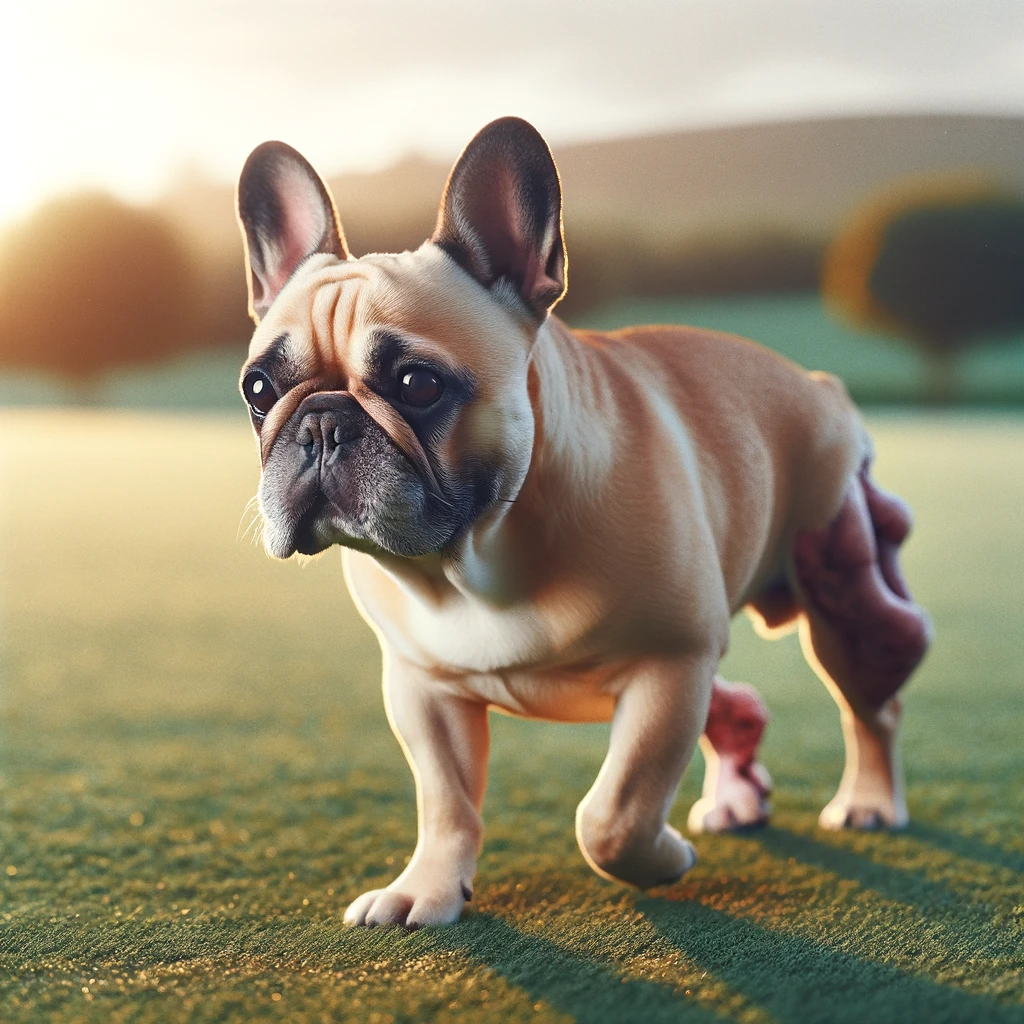
Hip dysplasia is a common condition in French Bulldogs, which occurs when the hip joint doesn’t develop properly, leading to arthritis and pain. Early detection and management of hip dysplasia can improve your Bulldog’s quality of life. Here’s what you need to know about hip dysplasia and how to manage it.
1. Know the Symptoms of Hip Dysplasia
French Bulldogs are prone to hip dysplasia, and recognizing the symptoms early can help manage the condition effectively.
Symptoms:
- Difficulty getting up after resting
- Lameness or limping in the hind legs
- Reluctance to exercise or climb stairs
- “Bunny hopping” when walking (both legs moving together)
2. Visit the Vet for Diagnosis
If you suspect your French Bulldog has hip dysplasia, it’s essential to take them to the vet for a thorough examination and diagnosis.
Tips:
- The vet may perform X-rays to confirm the diagnosis of hip dysplasia.
- They will evaluate your dog’s range of motion and look for signs of discomfort.
- Early diagnosis can help you take preventive measures to manage the condition.
3. Manage Their Weight
Maintaining a healthy weight is essential for Bulldogs with hip dysplasia. Excess weight puts additional strain on the joints, which can worsen the condition.
Tips:
- Feed your Bulldog a balanced diet and monitor their weight regularly.
- Consult your vet about a proper weight management plan.
- Regular exercise can help maintain muscle tone and reduce strain on the hips.
4. Provide Joint Supplements
Joint supplements can help support your French Bulldog’s joints and reduce inflammation associated with hip dysplasia.
Tips:
- Talk to your vet about appropriate joint supplements for your Bulldog.
- Common supplements include glucosamine and chondroitin, which can help improve joint health.
- Follow the vet’s recommended dosage for your dog’s specific needs.
5. Exercise in Moderation
While exercise is important for your Bulldog’s overall health, it’s crucial to avoid excessive physical strain on their hips. Regular, low-impact exercise can help keep the joints flexible and reduce pain.
Tips:
- Short walks and swimming are great options for Bulldogs with hip dysplasia.
- Avoid high-impact activities like jumping or running on hard surfaces.
- Be mindful of your dog’s behavior and stop any activity that seems to cause discomfort.
6. Consider Surgical Options
In severe cases of hip dysplasia, surgery may be necessary to improve your dog’s mobility and reduce pain.
Tips:
- Discuss surgical options with your vet if your Bulldog’s condition is worsening.
- Surgical procedures such as hip replacement or femoral head ostectomy may be recommended for severe cases.
- Recovery time and rehabilitation will vary depending on the surgery.
Conclusion: Managing Hip Dysplasia for a Comfortable Life
Although hip dysplasia can be a challenging condition, with the right management and care, your French Bulldog can lead a happy and comfortable life. Regular vet visits, proper weight management, and appropriate exercise will help reduce pain and improve your Bulldog’s mobility.