
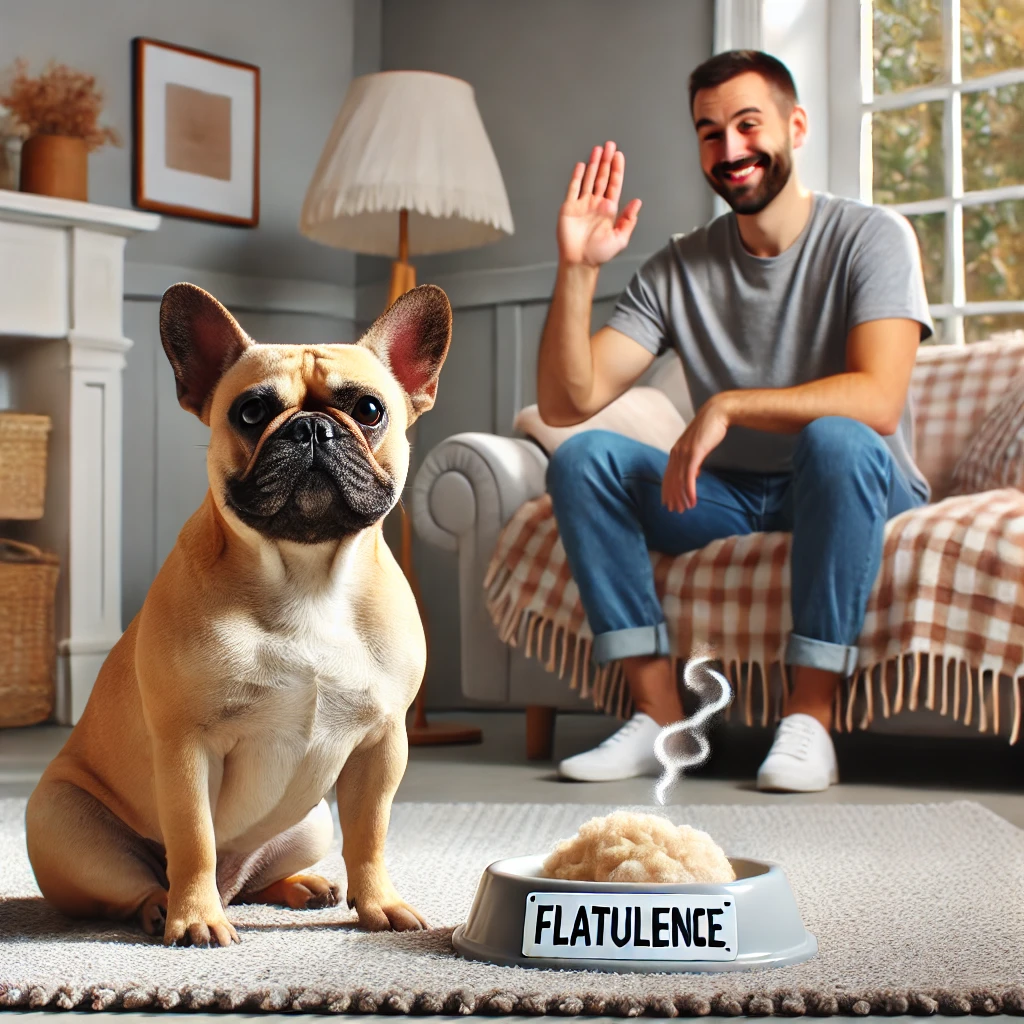
French Bulldogs are beloved for their charm, loyalty, and quirky personalities—but they’re also famously known for something a bit less glamorous: flatulence. If you’re a Frenchie owner, you’re likely familiar with the sound (and smell) of unexpected gas attacks. While some tooting is normal, excessive flatulence can be a sign of dietary issues or underlying health concerns.
Let’s explore why French Bulldogs are prone to gas and how you can help reduce it with practical, vet-backed solutions.
1. Why French Bulldogs Are Gassy
Frenchies tend to be more flatulent than many other breeds due to a combination of anatomy and diet.
Main causes:
- Brachycephalic anatomy: Their short snouts cause them to swallow more air while eating or drinking.
- Sensitive digestive systems: French Bulldogs often have food intolerances or low tolerance for certain ingredients.
- Lack of exercise: Low activity levels can contribute to slower digestion.
Occasional gas is normal, but frequent or foul-smelling flatulence could signal something more.
2. Poor Diet and Low-Quality Ingredients
The most common cause of excessive gas in French Bulldogs is what they eat. Low-quality commercial dog foods often contain fillers, grains, and artificial additives that are hard to digest.
Ingredients to avoid:
- Corn, wheat, and soy
- Animal by-products or unnamed meat meals
- Artificial preservatives and colorings
- High-fat or high-carbohydrate recipes
Choose a high-protein, grain-free diet with limited ingredients to support better digestion and reduce gas production.
3. Food Intolerances and Allergies
Many French Bulldogs have food sensitivities, especially to chicken, beef, dairy, or grains. These intolerances can lead to not just gas, but also skin problems, diarrhea, and bloating.
What to do:
- Try an elimination diet: Feed a limited-ingredient food and slowly reintroduce ingredients to identify triggers.
- Talk to your vet about hypoallergenic dog food options.
- Always transition to new food gradually over 7–10 days to avoid digestive shock.
4. Eating Too Fast
Due to their enthusiasm for food, many French Bulldogs gulp their meals quickly—swallowing a lot of air in the process, which leads to burping and farting.
Tips to slow down mealtime:
- Use a slow feeder bowl with built-in ridges.
- Spread kibble out on a lick mat or snuffle mat.
- Feed smaller, more frequent meals throughout the day.
Slower eating helps your dog digest more effectively and reduces swallowed air.
5. Lack of Exercise
French Bulldogs need moderate, low-impact exercise to keep their digestive systems working efficiently. Sedentary lifestyles can contribute to sluggish digestion and more frequent gas.
Suggestions:
- Short walks (10–15 minutes) 1–2 times daily.
- Gentle indoor play sessions with interactive toys.
- Avoid intense or prolonged exercise due to their respiratory sensitivity.
Even light movement after meals can promote better digestion.
6. Table Scraps and Human Food
It’s tempting to treat your Frenchie to your leftovers, but many human foods are difficult for them to digest—and some are even dangerous.
Common culprits:
- Spicy, fatty, or greasy foods
- Cheese or dairy products
- Beans, broccoli, onions, and garlic (some of which are toxic)
- Fried or sugary items
Stick to dog-safe treats and avoid feeding from the table altogether to prevent gas and stomach upsets.
7. Underlying Digestive Issues
Excessive flatulence may also be a symptom of gastrointestinal issues, such as:
- Inflammatory bowel disease (IBD)
- Intestinal parasites
- Pancreatitis
- Gut microbiome imbalances
If gas is persistent, foul-smelling, and accompanied by diarrhea, vomiting, or appetite changes, consult your vet for a full checkup and stool analysis.
8. Probiotics and Digestive Enzymes
Supplementing your French Bulldog’s diet with probiotics can help balance gut bacteria and improve digestion.
Benefits:
- Reduces gas and bloating
- Improves stool quality
- Supports immune function
Look for vet-recommended probiotic supplements or choose dog food with added probiotics. Digestive enzyme powders may also help break down food more efficiently.
9. Fresh Water and Hydration
Hydration is essential for smooth digestion and gas prevention.
- Provide clean, fresh water at all times.
- Avoid allowing your dog to gulp large amounts all at once—offer smaller amounts if needed.
- Keep water bowls clean to prevent bacteria buildup.
Hydration helps reduce constipation and gas buildup in the intestines.
10. Create a Routine and Monitor Changes
Every dog is different, so what works for one Frenchie might not work for another. Track what your dog eats, their bathroom habits, and how often they pass gas. Patterns can reveal the underlying cause.
Use a food diary to track:
- New ingredients or treats
- Behavior before and after meals
- Stool consistency and frequency
- Activity levels
Consistency in feeding, routine, and exercise helps keep their digestive system happy.
Conclusion: Fewer Farts, Happier Frenchie
While a little gas is to be expected with a French Bulldog, chronic flatulence isn’t something you—or your dog—have to live with. With mindful dietary choices, slow feeding habits, and regular vet care, you can significantly reduce your Frenchie’s gas and improve their overall health. Everyone in the household (including your nose) will thank you.