
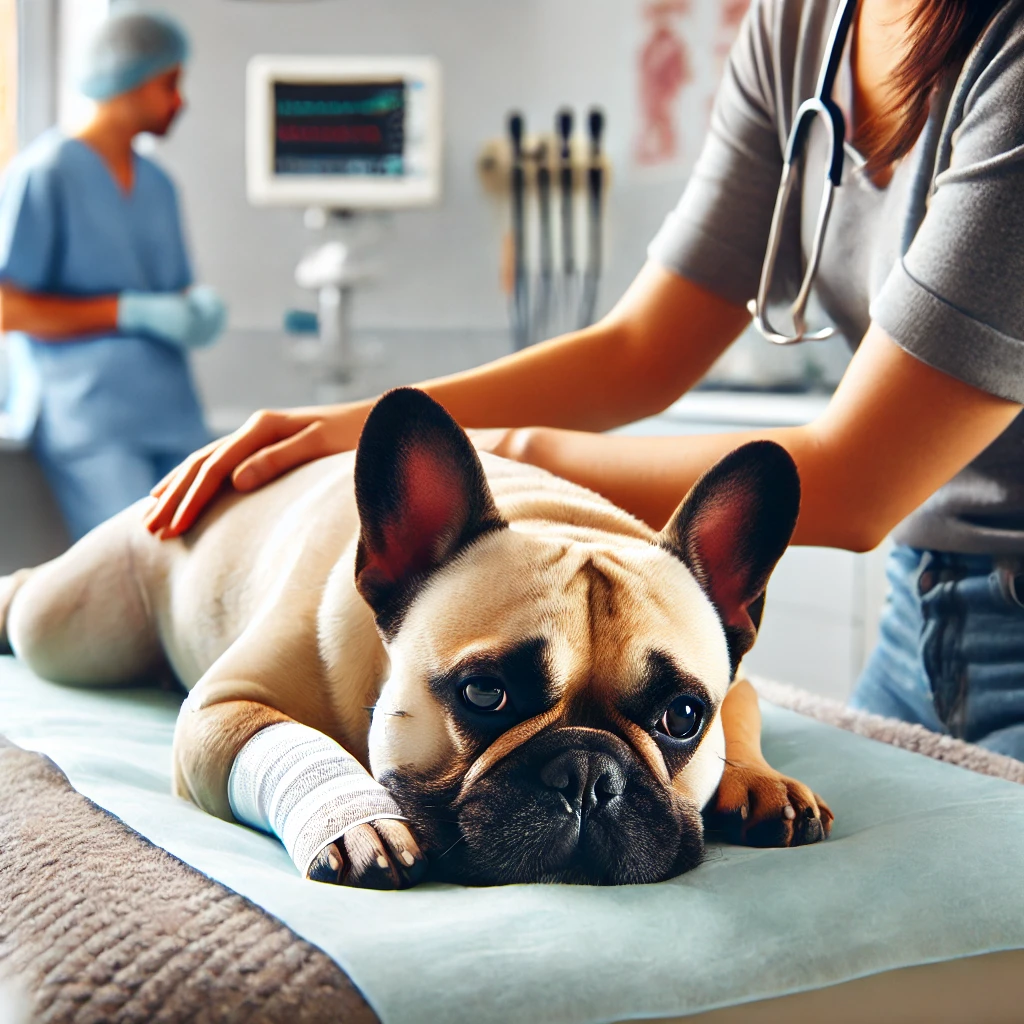
Spaying (for females) or neutering (for males) is a common part of responsible pet ownership. For French Bulldog owners, this decision brings up important questions: When is the right time? What are the benefits and risks? How does it affect their health and behavior?
Here’s everything you need to know about spaying or neutering your French Bulldog to make the best decision for your pup’s long-term well-being.
1. What Is Spaying and Neutering?
These are surgical procedures that remove your dog’s reproductive organs.
- Spaying: Removes the ovaries and usually the uterus in female dogs.
- Neutering: Removes the testicles in male dogs.
Both procedures are performed under anesthesia and are generally safe when done by a licensed veterinarian.
2. Why Spay or Neuter a French Bulldog?
There are several medical and behavioral benefits to spaying or neutering your Frenchie—especially if you don’t plan to breed them responsibly.
Main benefits:
- Reduces the risk of certain cancers (mammary, testicular, uterine)
- Prevents unwanted pregnancies
- Lowers risk of pyometra (a serious uterine infection in females)
- Decreases behaviors like marking, roaming, and aggression
- Can improve focus during training and reduce stress from mating urges
It also helps reduce the number of homeless pets by preventing accidental litters.
3. When Should You Spay or Neuter Your Frenchie?
The ideal age varies depending on your dog’s sex, health, and development.
General guidelines:
- Males: Usually between 6 and 12 months
- Females: Often between 6 and 9 months, before their first heat cycle
However, newer research suggests waiting until full maturity (especially for males) can help with proper joint and muscle development. Always discuss timing with your vet, especially for a breed like French Bulldogs, which have unique growth patterns.
4. The Procedure: What to Expect
Spaying and neutering are routine surgeries, but it’s natural to feel nervous.
On the day of surgery:
- Your dog will be given anesthesia and monitored throughout the procedure.
- The surgery typically takes 30–60 minutes.
- Most dogs go home the same day with pain medication.
It’s important to follow your vet’s pre-surgery instructions, like fasting and avoiding vigorous play beforehand.
5. Post-Surgery Care and Recovery
Proper aftercare ensures your French Bulldog heals comfortably and avoids complications.
Recovery tips:
- Keep your dog calm and rested for at least 7–10 days.
- Use a cone (e-collar) to prevent licking the incision.
- Avoid baths and off-leash activity during healing.
- Check the incision daily for redness, swelling, or discharge.
Most dogs are back to their normal selves within two weeks. If anything seems off, contact your vet.
6. Behavioral Changes After Spaying or Neutering
While it won’t change your Frenchie’s personality, spaying or neutering can affect behavior—usually in positive ways.
Common changes:
- Less marking or mounting behavior
- Reduced interest in roaming or escaping
- Lower intensity of aggression in some males
- Less mood fluctuation in females (especially during heat cycles)
It may also make training easier since your dog isn’t distracted by hormonal urges.
7. Does Spaying/Neutering Cause Weight Gain?
French Bulldogs can gain weight after the procedure due to changes in metabolism—but it’s preventable.
How to manage:
- Adjust calorie intake slightly (your vet can help calculate)
- Provide daily exercise and mental stimulation
- Monitor body condition monthly and maintain a consistent feeding routine
Neutering doesn’t automatically cause weight gain—it’s about how you manage their lifestyle afterward.
8. Risks and Considerations
While the surgery is generally safe, there are still risks to consider—especially in brachycephalic breeds like Frenchies.
Potential concerns:
- Anesthesia risks due to breathing issues
- Joint development (if spayed/neutered too early)
- Temporary mood or appetite changes
Choose a vet experienced with brachycephalic dogs, and always follow pre- and post-op instructions carefully to reduce risks.
9. Alternatives to Traditional Spaying/Neutering
In rare cases, owners may consider alternatives:
- Ovulation suppression injections or hormone treatments (not commonly recommended long-term)
- Vasectomy or hysterectomy: Maintains hormones while preventing reproduction
These options are less common and often not as effective as full sterilization in preventing behavioral and health issues.
10. Talk to Your Vet Before Deciding
Every French Bulldog is different, and so are their health histories, behavior, and lifestyles. Your vet can assess:
- Ideal age based on your dog’s development
- Any breed-specific concerns
- Whether your dog is healthy enough for surgery
- What to expect during recovery
A personalized plan is always better than a one-size-fits-all approach.
Conclusion: A Responsible Step for a Healthier Future
Spaying or neutering your French Bulldog is a personal choice—but one that comes with powerful benefits for their long-term health, behavior, and quality of life. With expert guidance, proper care, and the right timing, this simple procedure can help your Frenchie live a longer, safer, and more comfortable life.